We apply whole genome sequencing and bioinformatics to investigate the population structure, virulence determinants, and antimicrobial resistance mechanisms of Salmonella enterica, Listeria monocytogenes, Shiga toxin-producing Escherichia coli, among others, across food and environmental systems

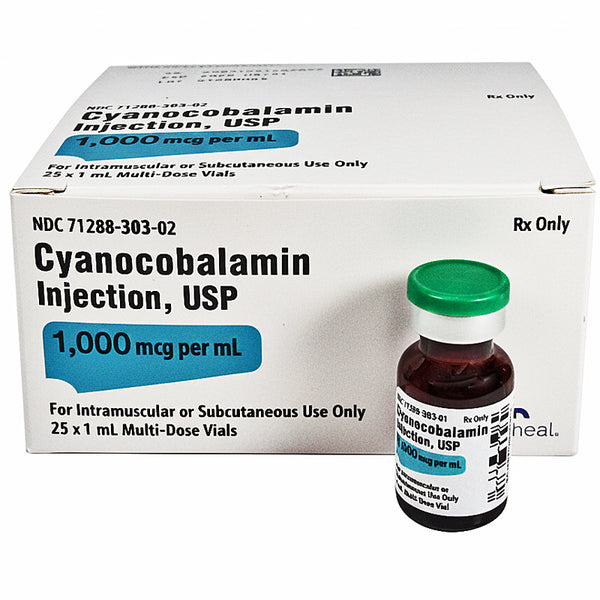
Comparing the Clinical Uses of Methylcobalamin and Adenosylcobalamin What it Treats Support nerve regeneration and reduce neuropathic pain (e.g., in diabetic neuropathy or peripheral neuropathy) Manage symptoms of B12 deficiency such as brain fog, memory loss, or fatigue Improve mood regulation and reduce symptoms of depression related to B12 status Aid in methylation processes that impact cardiovascular and neurological health Support energy metabolism in individuals with chronic fatigue or low stamina Support mitochondrial energy production, especially in muscle and metabolic disorders Improve symptoms of chronic fatigue and muscle weakness Address inherited metabolic disorders like methylmalonic acidemia Assist in the treatment of certain neurological conditions linked to mitochondrial dysfunction Complement energy-demanding rehabilitation or recovery protocols How it Works Main Benefits Supports nervous system repair : Helps regenerate damaged nerve cells and maintain healthy nerve function, especially in peripheral neuropathy

Retatrutide is an investigational medicinal product (IMP) accessible only through authorised clinical trials
of the CY 2026 OPPS/ASC proposed rule for a detailed discussion of our policies regarding payment reduction for ASCs that fail to meet ASCQR Program requirements