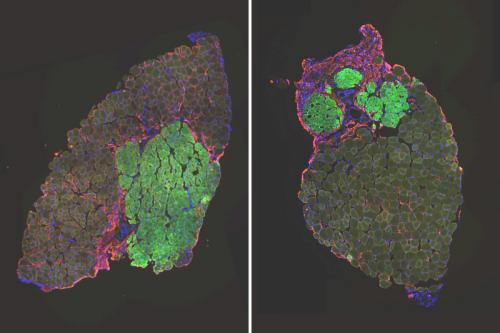
Figure 1 Paracetamol for the Early Management of COVID-19: A Critical Viewpoint As discussed above, a precautionary principle regarding the risk of bacterial superinfections and of ACE2 overexpression was the main reason for the decision to discourage the use of NSAIDs ( However, contrary to this opinion, we believe that in the specific case of COVID-19 it is of paramount importance taking due account of the fact that PAC and its metabolites decrease GSH levels, also when given at relatively low doses in healthy volunteers ( Although the drop in hepatic or renal GSH is the most toxicologically relevant interaction (see also below), plasma GSH, free cysteine ( in vitro intracellular GSH in human pulmonary macrophages, type II pneumocytes, and lymphocytes ( Oxidized PAC-quinone imine metabolites have also been shown to form GSH-conjugates which inhibit glutathione reductase (GR): the decreased activity of GR hampers the detoxification and antioxidant capacity of the GSH-GSSG cycle, further aggravating the pro-oxidative status in the cell ( From a different toxicological perspective, a study by Klopi et al

Maes M, Meltzer H, Jacobs J, Suy E, Calabrese J, Minner B, et al
Ongoing clinical research focuses on optimizing brain-targeted delivery (e.g., NCT05022472, a trial evaluating DFO-gold nanoparticle conjugates) and developing structural analogs (e.g., CNB-001) to enhance efficacy while reducing off-target effects
doi: 10.1016/j.brainresbull.2016.02.010 142