Building Long-Term Epithalon Research Programs Multi-Cycle Planning Successful long-term epithalon research requires strategic planning across multiple cycles

We have developed trans-cranial vascular doppler blood-brain barrier ultrasound imaging analysis, personalized IV infusions, therapeutic nerve blocks, cervicogenic headache treatments, spine interventions, nutrition strategies, peptide therapies, specialized lab analysis, stem cell therapies, regenerative interventions, prolotherapy, hydrodissection of nerve entrapments, hormone optimization for the syndrome of cognitive impairment, cognitive decline, brain fog, headaches and/or neck pain, plus there are also additional therapies under investigation like certain peptides (possibly including BPC-157, Semax, TB-500, Epithalon, P021, NVG-291, BIIB080, or others) and Sirtuin modulators listed above, as well as shockwave therapy, myofascial release, and image-guided nerve releases and interventional procedures that can relieve pain, release spasms, and increase lymphatic flow and treatment of underlying neuropathologies

In parallel, digital biomarkers, derived from continuous, real-world data captured via smartphones, wearable devices, and ambient sensors, have opened new avenues for unobtrusive, high-frequency monitoring of neurological functions
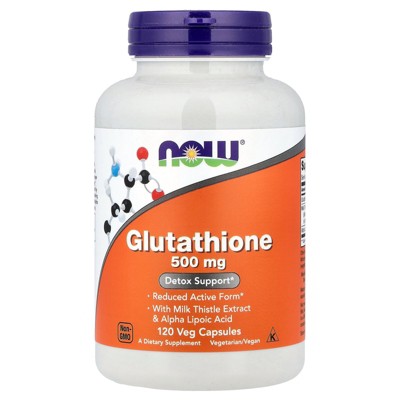
GLUTATHIONE AND SKIN Glutathione fights oxidative stress, which is an imbalance between free radicals and antioxidants in the body