The conditions that have been associated with glutathione deficiency include the following: Neurodegenerative diseases such as Alzheimers, Parkinsons and Huntingtons disease and ALS Pulmonary diseases such as COPD, asthma, and acute respiratory distress syndrome Immune system disorders Cardiovascular diseases such as high blood pressure, elevated cholesterol, and heart attacks Chronic age-related disorders such as cataracts, macular degeneration, hearing impairment, and glaucoma Liver disease Cystic fibrosis Aging processes (Pizzorno, 2014)
A prospective study on suicide attempts by self-poisoning in adolescents: Symptoms and complications
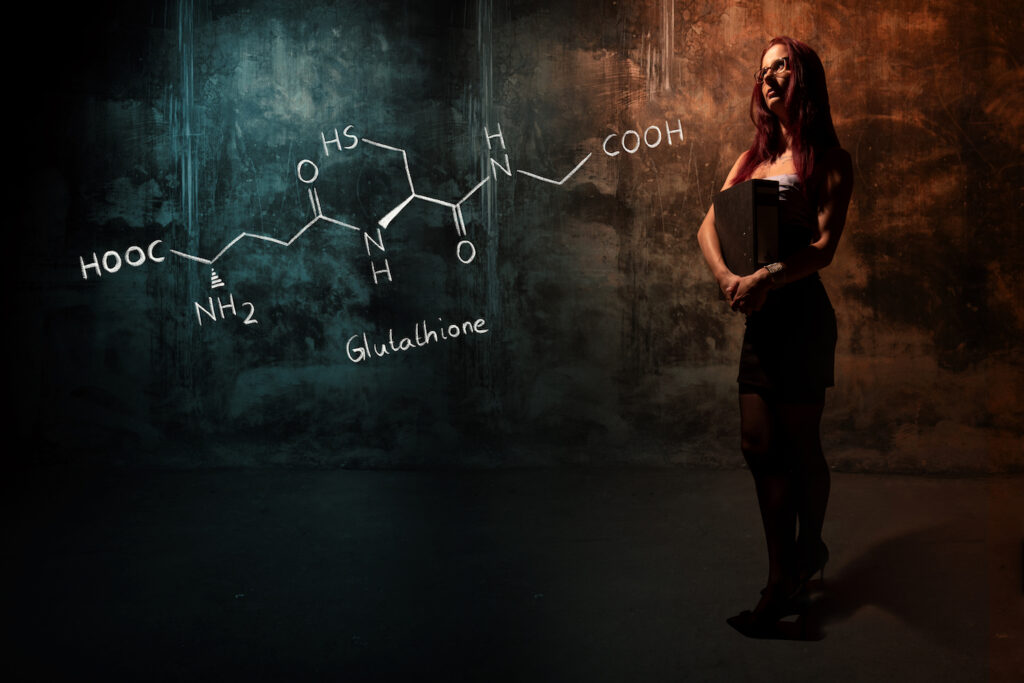
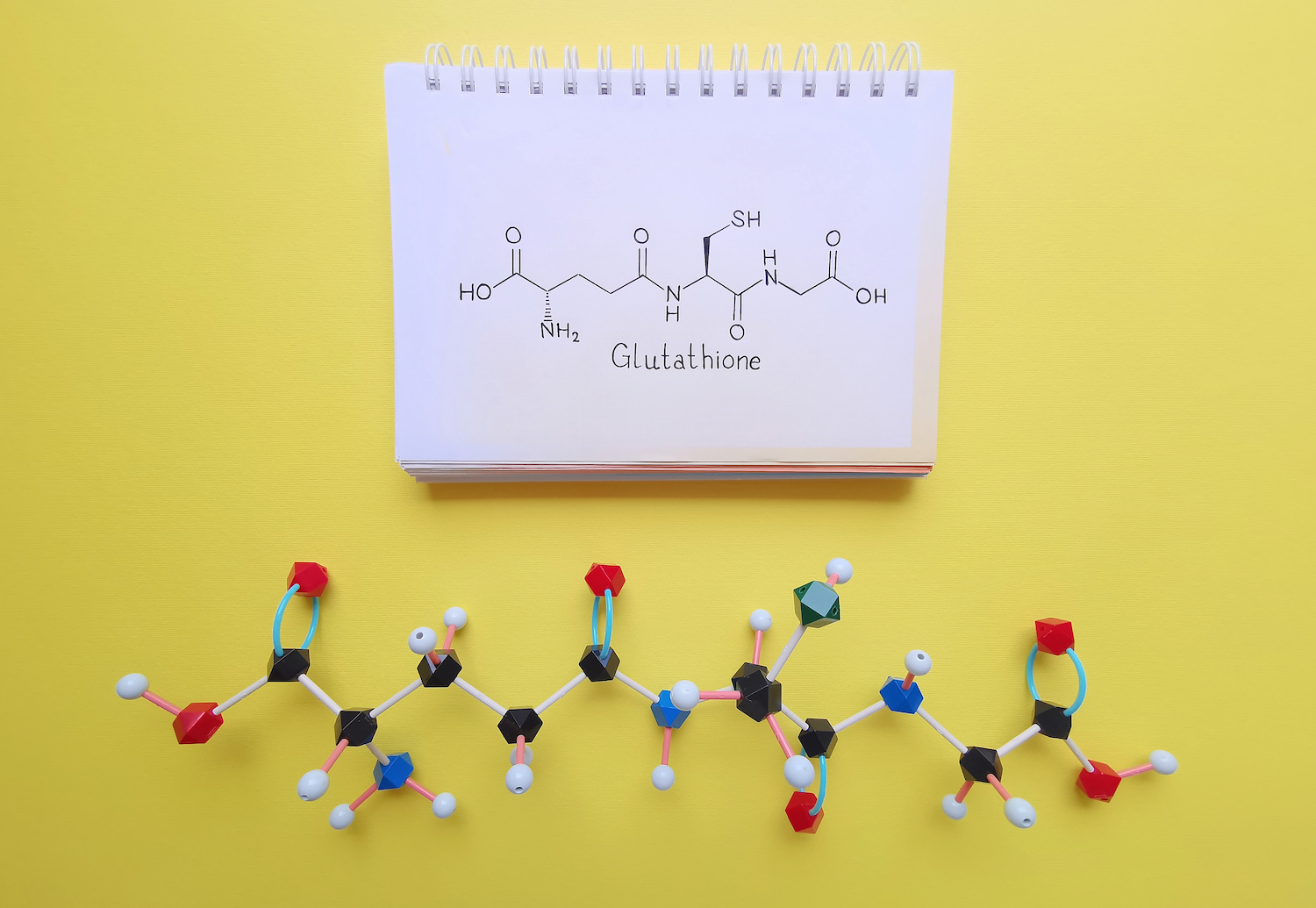
Rachele points out, a lot of people dont really know what it is or what it does. She explains, Glutathione is made up of three nutrients, the amino acids called glycine, cysteine and glutamic acid, and we call this a tripeptide
In conclusion, although antioxidant strategies represent a very promising approach to slow the progression of the disease, it is of utmost need to invest on the characterization of OS profiles representative of each subtype of patient, in order to develop personalized therapies, allowing to understand the characteristics of antioxidants that have beneficial effects on different subtypes of patients