These studies are not designed, documented, or archived according to FDA clinical research standards
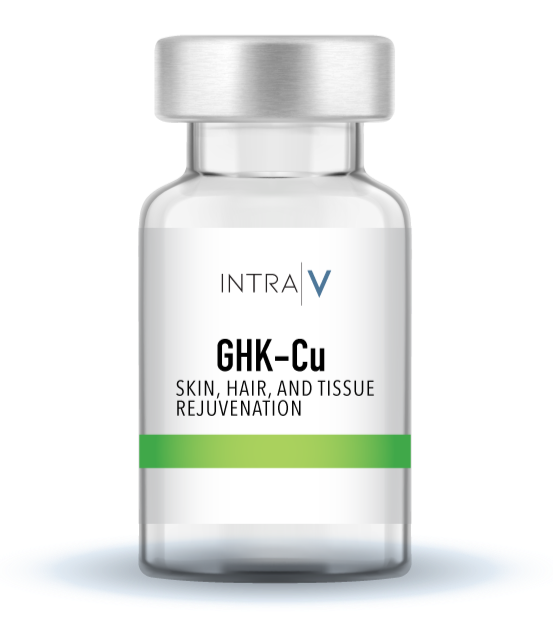
Research Applications Investigation of peptidereceptor interaction mechanisms Study of copper-dependent cellular signaling pathways Analysis of extracellular matrixrelated biochemical processes Use in biochemical and cellular research models involving peptide signaling Key Features High-purity lyophilized peptide (99%) Naturally occurring copper-bound tripeptide Stable molecular structure suitable for laboratory research Designed for controlled biochemical and cellular studies Content Compound: GHK-CU (Copper Tripeptide-1) Form: Lyophilized powder CAS Number: 49557-75-7 Storage Information Store in a cool, dry place protected from light Refrigeration recommended for maximum stability Use within the recommended timeframe after reconstitution Research Use Only
A thorough initial consultation to assess your health history, current medications, and appropriateness for peptide therapy Baseline investigations, including relevant blood panels, before commencing any peptide protocol Clear informed consent regarding the experimental nature of these therapies and the limitations of current evidence Sourcing from reputable, TGA-registered compounding pharmacies only Regular review appointments to monitor for any adverse effects and reassess ongoing appropriateness An honest conversation about alternatives --- including proven regenerative therapies such as PRP, physiotherapy, and targeted nutrition --- which may complement or replace peptide use Questions to Ask Your Practitioner If you are thinking about peptide therapy, the following questions will assist in guiding an informed discussion
However, 12 month-old Tg4-42 significantly improved over the 3 days of cued training and did not perform different from WT animals on the last day of training