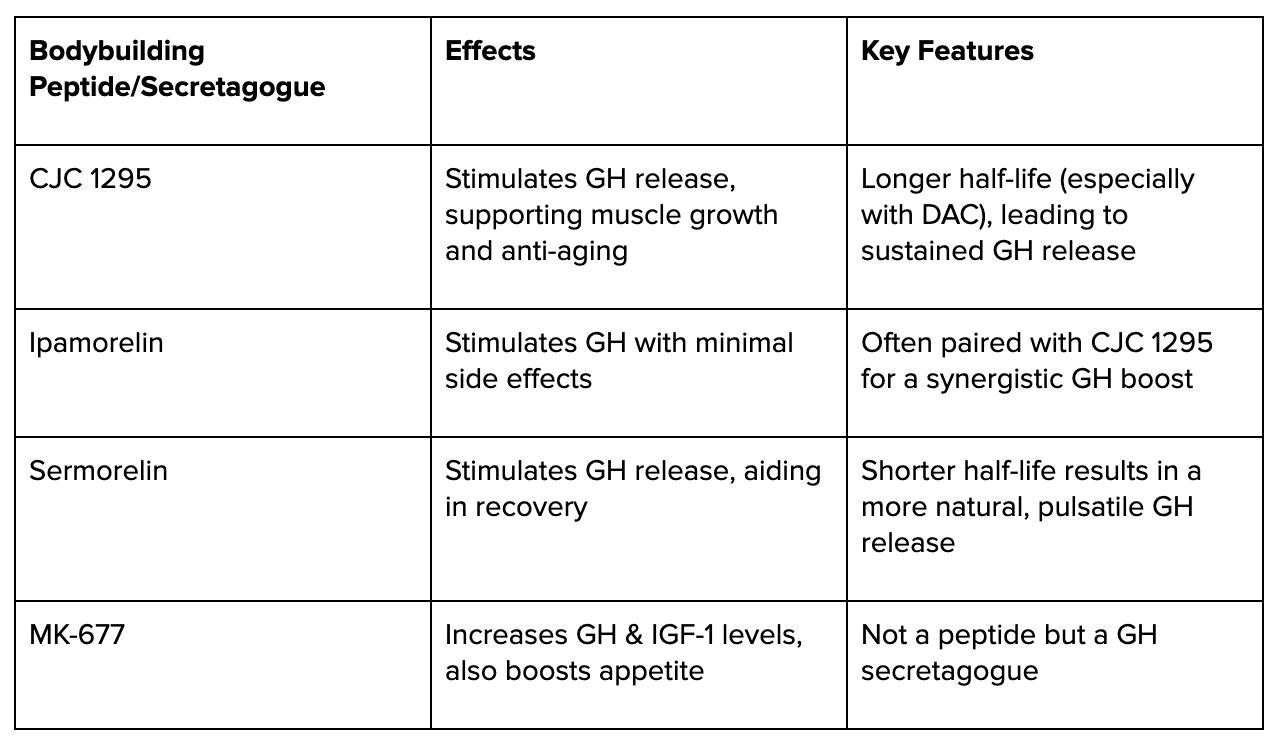
As training demands increase, the bodys ability to recover, rebuild, and adapt becomes the limiting factor for muscle gains
IDENTITY, PHYSICAL AND CHEMICAL PROPERTIES, ANALYTICAL METHODS 2.1 Identity Chemical name 1,2-dibromoethane (IUPAC): Chemical structure: Br - CH 2 - CH 2 - Br Molecular formula: C 2 H 4 Br 2 Relative molecular 187.9 mass: CAS chemical name: ethylene dibromide CAS registry number:106-93-4Synonyms: sym- dibromothane, DBE, dibromo, bromure d'ethylene, 1,2-ethylene dibromide, ethylene bromide Major trade names: Nematron, Nemafume, Bromofume, Dowfume W-85, Aadibrom, Iscobrome D Formulations: kerosene (30 and 97%), emulsifiable concentrate (40 and 48%) in combination with other pesticides 2.2 Physical and chemical properties Appearance: colourless liquid with chloroform-like odour Melting point: 9.9C (Stenger, 1983) Boiling point: 131.4C (Stenger, 1983) Vapour pressure: 1.47 kPa (11.0 mmHg) (at 25C) (Verschueren, 1983) Vapour density: 6.1 Specific gravity: 2.172 (Stenger, 1983) (at 25C) Refractive index (n 20 ): 1.5379 Solubility in water: 4.3 g/litre at 30C (Verschueren, 1983) soluble in ether, etanol, benzene, acetone (Weast et al., 1988) Saturating concentration 113 g/m 3 (at 20C), 168 g/m 3 (at 30C) in air: Log P ow 1.76 or 1.93 Stability: decomposes gradually when exposed to light 1,2-Dibromoethane is flammable

For comparison, vitamin C increased collagen in 50% of subjects, and retinoic acid (prescription-strength retinoid) increased collagen in only 40%
A., Burgess, N