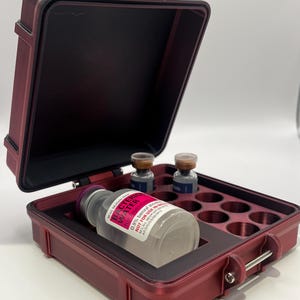
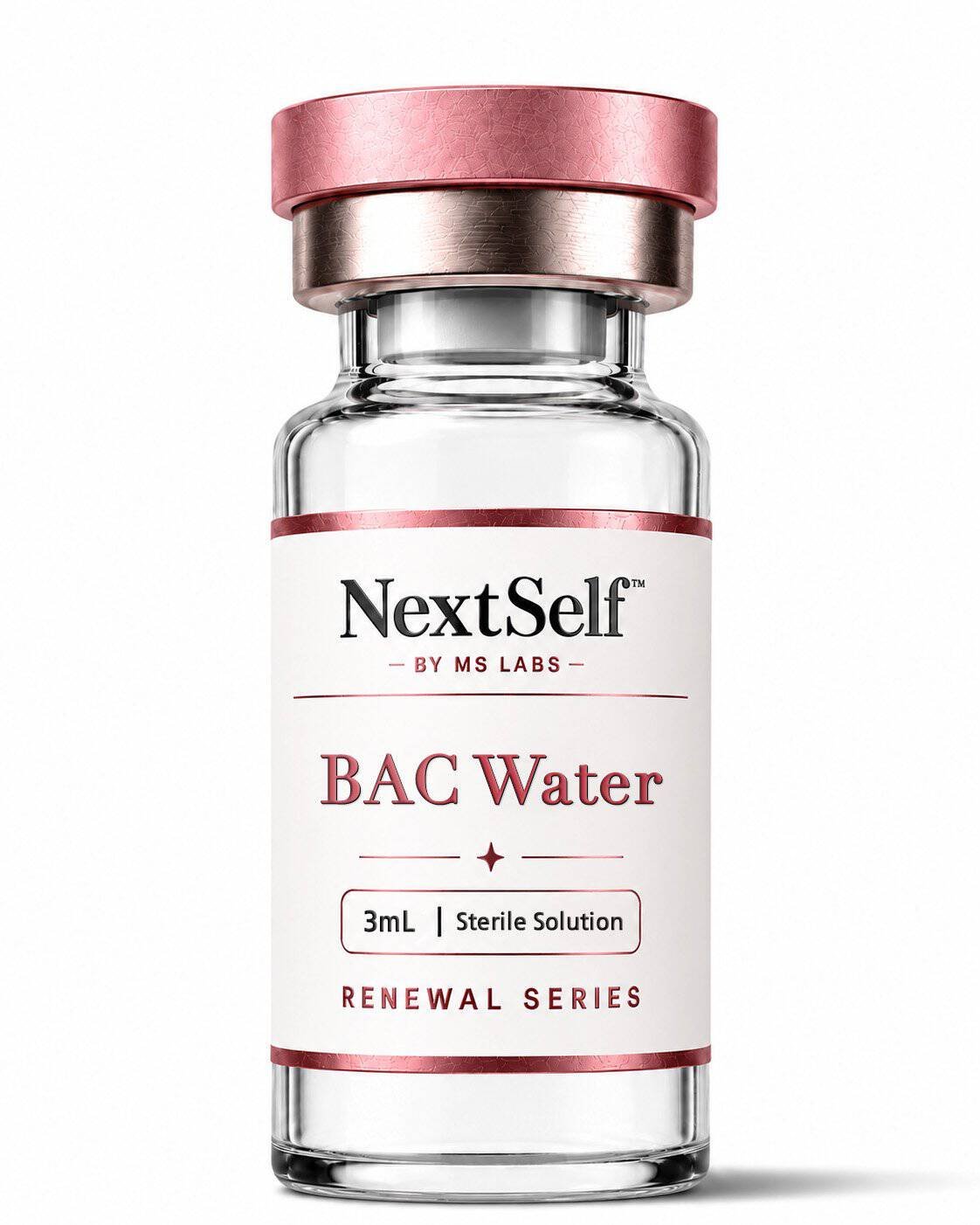
But they serve different purposes and can not be used interchangeably: Bacteriostatic Water Contains benzyl alcohol (0.9%) as a preservative Used to dilute or dissolve medications for injection Can be used multiple times from the same vial (reusable usually within 28 days) Helps prevent bacterial growth after opening Commonly used in reconstituting peptides, hormones, and injectable medications Saline Water (Sterile Saline) Contains sodium chloride (0.9%), saltwater that matches the bodys natural salt levels Often used to flush IV lines, clean wounds, or as a diluent for some injections Typically used as a single-use product (especially if no preservative is added) Better for hydration, wound irrigation, or flushing injection sites Side Effects of Bacteriostatic Water Injection While bacteriostatic water is considered safe when used properly, its not completely risk-free, especially if misused or injected on its own without proper dilution of medication

Chronic high blood sugar levels initiate a cascade of metabolic abnormalities, which ultimately induce oxidative stress and inflammation, exacerbating nerve injury through excessive production of reactive oxygen species (ROS) and promoting neuronal apoptosis
A new generation of selective sodium channel blockers is what stands out in 2025
This will increase the volume you need to draw for the same dose, making it easier to measure accurately on the syringe